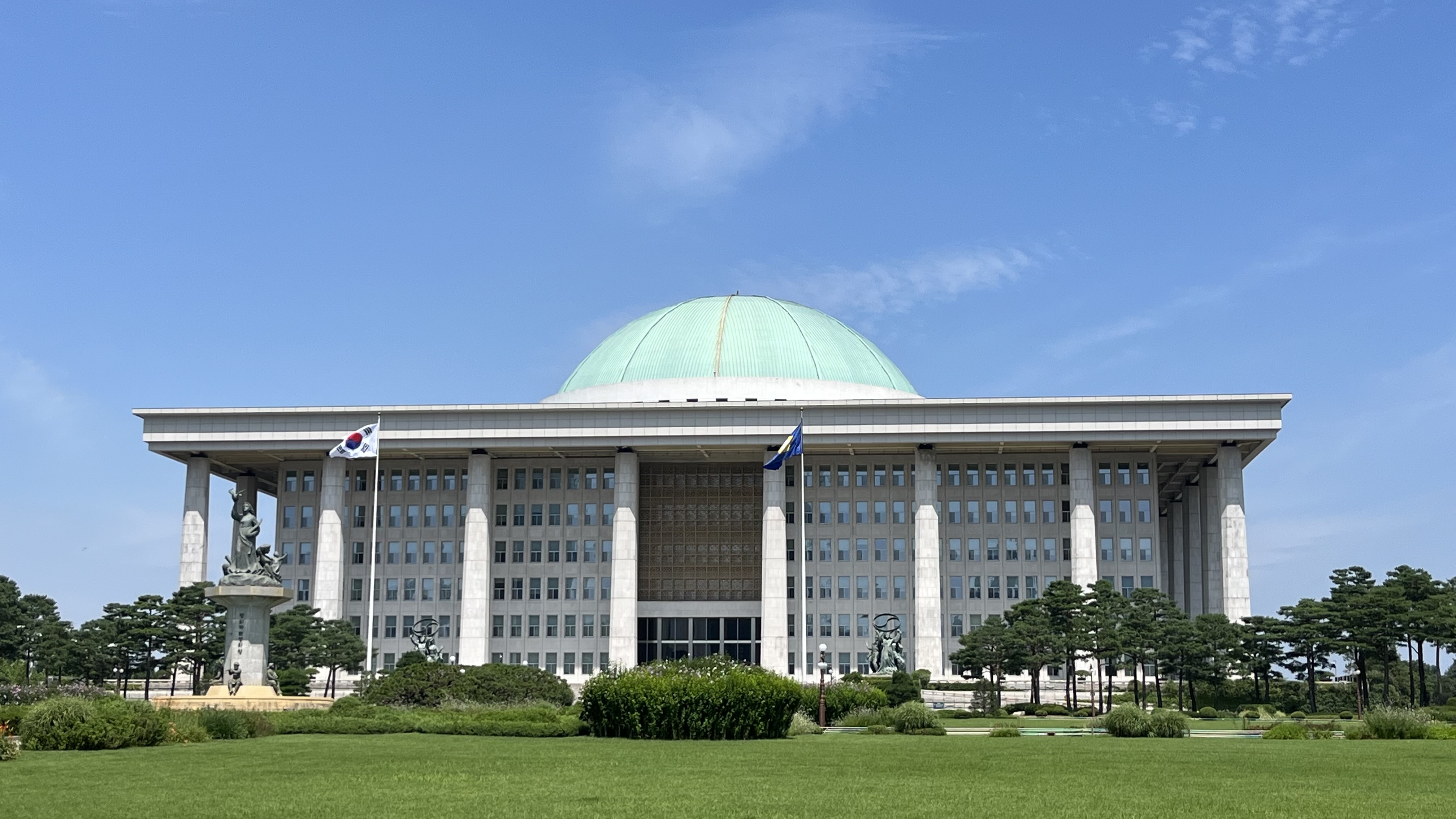
South Korea's National Assembly Speaker, Cho Jeong-sik, has announced a plenary session for June 30, setting the stage for the ruling Democratic Party of Korea (DPK) and allied parties to potentially elect standing committee chairs without the opposition's consent. This development follows the breakdown of negotiations between the DPK and the conservative People Power Party (PPP) regarding the formation of the latter half of the 22nd National Assembly's standing committees.
Negotiations on June 29, involving DPK floor leader Han Byeong-do and PPP floor leader Jeong Jeom-sik, failed to resolve the dispute, primarily over the chairmanship of the Legislation and Judiciary Committee. The DPK insists on taking this powerful committee, citing the need to expedite the processing of livelihood and economic bills, while the PPP has refused to concede the position.
Following the impasse, Han Byeong-do reportedly requested Cho Jeong-sik to convene the plenary session immediately. The DPK's stance is that further delays in forming the committees are unacceptable. The party also plans to unilaterally adopt the confirmation hearing report for Prime Minister nominee Han Seong-suk if negotiations remain unresolved, aiming to conclude the prime minister's approval process in the plenary session.
In response, PPP lawmakers, led by Jeong Jeom-sik, visited Speaker Cho's office to protest the decision to convene the plenary session without bipartisan agreement. The PPP argues that holding the session under these circumstances would be seen as favoring the DPK. Both major parties have issued 'emergency standby orders' to their members in anticipation of the June 30 session.
Despite the current deadlock, some observers suggest that the DPK might not take all 18 committee chair positions, possibly aiming for around 11, similar to a previous parliamentary session. This approach could be influenced by concerns over public perception and potential accusations of 'legislative dictatorship' amid declining approval ratings for the DPK.