South Korea's consumer price index rose 3.2% year-on-year in June, the largest annual increase in two and a half years and the second consecutive month above 3%, according to data published on July 2 by the National Data Agency, the government body that compiles official statistics.
The headline figure matched December 2023's reading, which had been the previous recent peak. Inflation has accelerated steadily since a Middle East war broke out in late February: the rate stood at 2.0% in January and February, climbed to 2.2% in March, 2.6% in April, and 3.1% in May before reaching 3.2% last month.
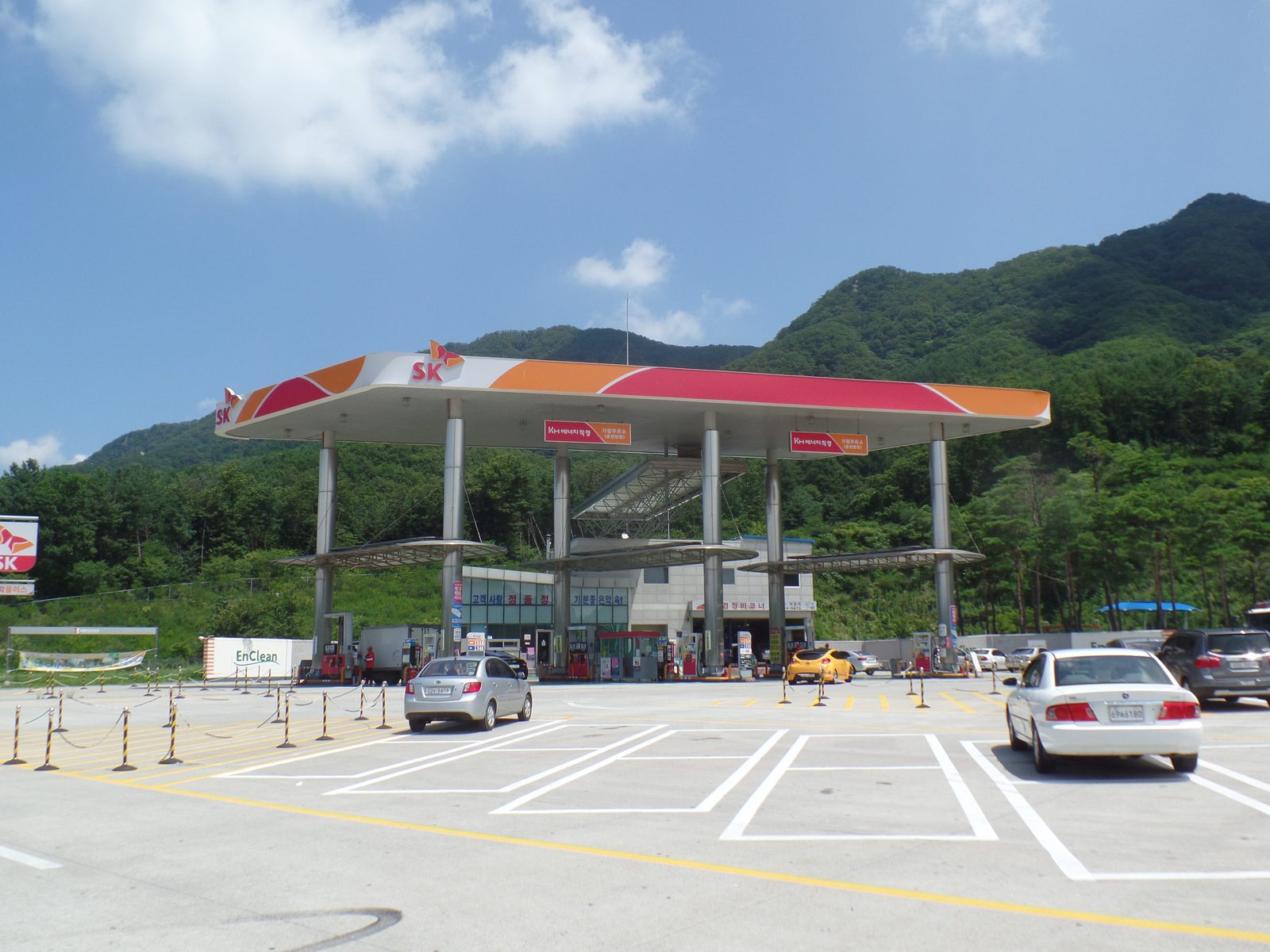
Fuel was the bluntest instrument in the price surge. Petroleum product prices jumped 24.7% from a year earlier, the steepest rise since July 2022, when the early months of Russia's war in Ukraine sent global energy markets into turmoil. Gasoline was up 23.1% and diesel 33.7%, with the petroleum category alone adding 0.93 percentage points to the overall index. Industrial goods as a whole rose 4.4%, contributing nearly 1.5 percentage points to the total.
The government's fuel price cap, which fixes a ceiling on retail petroleum prices, cushioned some of the blow. The Ministry of Finance and Economy estimated that the cap reduced June's headline rate by about 0.4 percentage points; without it, inflation would have reached roughly 3.6%. On June 27 the ceiling was lowered by 150 won per litre, and the official overseeing economic statistics, Lee Du-won of the National Data Agency, said petroleum prices are expected to ease in July as a result.
Food added to the pressure. Agricultural, livestock, and fishery prices rose 3.2% overall, widening from 2.2% in May. Green onions surged 37.1% as harvests shrank, rice climbed 11.7%, eggs rose 10.3%, and livestock prices were up 6.2%. Agricultural prices had been in negative territory from February through May before flipping positive.
Services inflation ran at 2.6%, with international airfares up 28.2% year-on-year. Computer prices jumped 22.2%, which one source attributed to new product launches and what Hankyoreh called 'chipflation.'
The living-cost index, which tracks items bought frequently and is closely watched by the Bank of Korea as it weighs further rate moves, rose 3.4%, the highest reading since April 2024. The core index, which strips out food and energy in line with OECD methodology, rose 2.5%. The Ministry of Finance and Economy's vice minister called on all government departments to work to keep second-half inflation below 3%.