
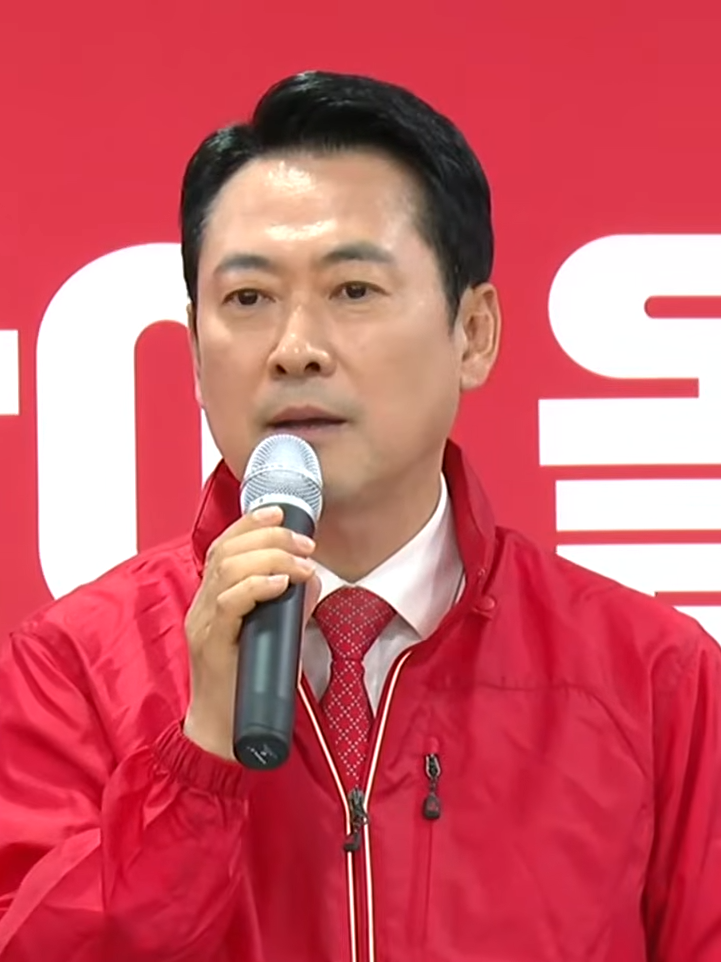
South Korea's main opposition People Power Party (PPP) convened an emergency caucus on July 2 to decide how hard to push back after the ruling Democratic Party (DP) claimed 11 of the National Assembly's 18 standing-committee chairs on its own, including the powerful Legislation and Judiciary Committee chairmanship, which went to DP lawmaker Seo Young-gyo.
Negotiations over the second-half committee lineup had dragged on for a month before collapsing. The DP blamed the PPP for refusing to submit committee-member rosters unless it received the judiciary panel; the PPP accused the DP of 'negotiating by threat.' One option the PPP caucus was reported to be weighing was a boycott of the entire July extraordinary session, which would leave it unable to scrutinise legislation from the floor.
That dilemma is not lost on PPP members. Jeong Jeom-sik (People Power Party floor leader) told reporters the DP had 'effectively seized' the judiciary committee and called the outcome a result of the National Assembly Speaker and others 'going along with the ruling-party rampage.' But he also acknowledged the bind: walking away entirely would mean no check on bills such as a proposed revision to the Criminal Procedure Act that would abolish prosecutors' supplementary investigation powers, as well as a special-counsel bill targeting alleged fraudulent indictments.
Inside the PPP caucus, a second-term lawmaker was quoted by Hankyoreh as arguing that a boycott would be hard to sustain because the party would lose any watchdog role. The DP has offered the PPP seven remaining committee chairs, including the industry and land-transport panels, but PPP leadership dismissed these as secondary prizes. 'At a minimum they should have given us one of the finance or financial-services committees,' an unnamed PPP floor-leadership official told Kookmin Ilbo.
The DP made clear it intends to press its advantage. Han Byung-do (DP floor leader and acting party chief) said the party would reform both the filibuster rules and the fast-track bill procedure to speed up legislation, arguing that unlimited debate had been 'abused' and that fast-track deadlines were already longer than the average bill-review period under the previous National Assembly.
The PPP caucus was also reported to be discussing a separate, internal question: the future of PPP party leader Jang Dong-hyeok, who had suggested that members calling for his resignation over the recent local-election defeat could face party-ethics proceedings. Jeong said the leader's fate should not be decided by a show of hands at caucus but that the dispute needed to end quickly to avoid further internal fracture.