South Korea's ruling Democratic Party, government, and presidential office agreed on July 5 to establish a 'Future Response Fund' financed by additional tax revenues generated by the country's semiconductor boom, officials announced after the ninth senior party-government-administration consultative meeting held at the prime minister's official residence in Samcheong-dong, Seoul.
Kang Hoon-sik, presidential chief of staff, opened the meeting by saying the additional tax revenues must not be squandered at what he called a 'critical juncture for the nation's future.' He said the proposed fund would direct money toward three priority areas: supporting the so-called Three Mega Projects in semiconductors, AI data centres, and physical AI; addressing what participants described as K-shaped economic polarisation; and providing housing, startup capital, and employment support for Koreans in their twenties and thirties. According to SBS, this year's revenue increase is expected to exceed 40 trillion won.
The Hankyoreh reported that additional revenues over the coming years are projected to reach at least several tens of trillions of won, though no detailed figures or a formal legislative roadmap were announced at the meeting. Kang Jun-hyeon, the Democratic Party's chief spokesperson, confirmed that the government shared only the fund's purpose and broad direction; specifics are to be worked out in subsequent consultations. Officials settled on the phrase 'additional tax revenue' rather than 'surplus tax revenue,' with the Ministry of Planning and Budget said to have endorsed the terminology.
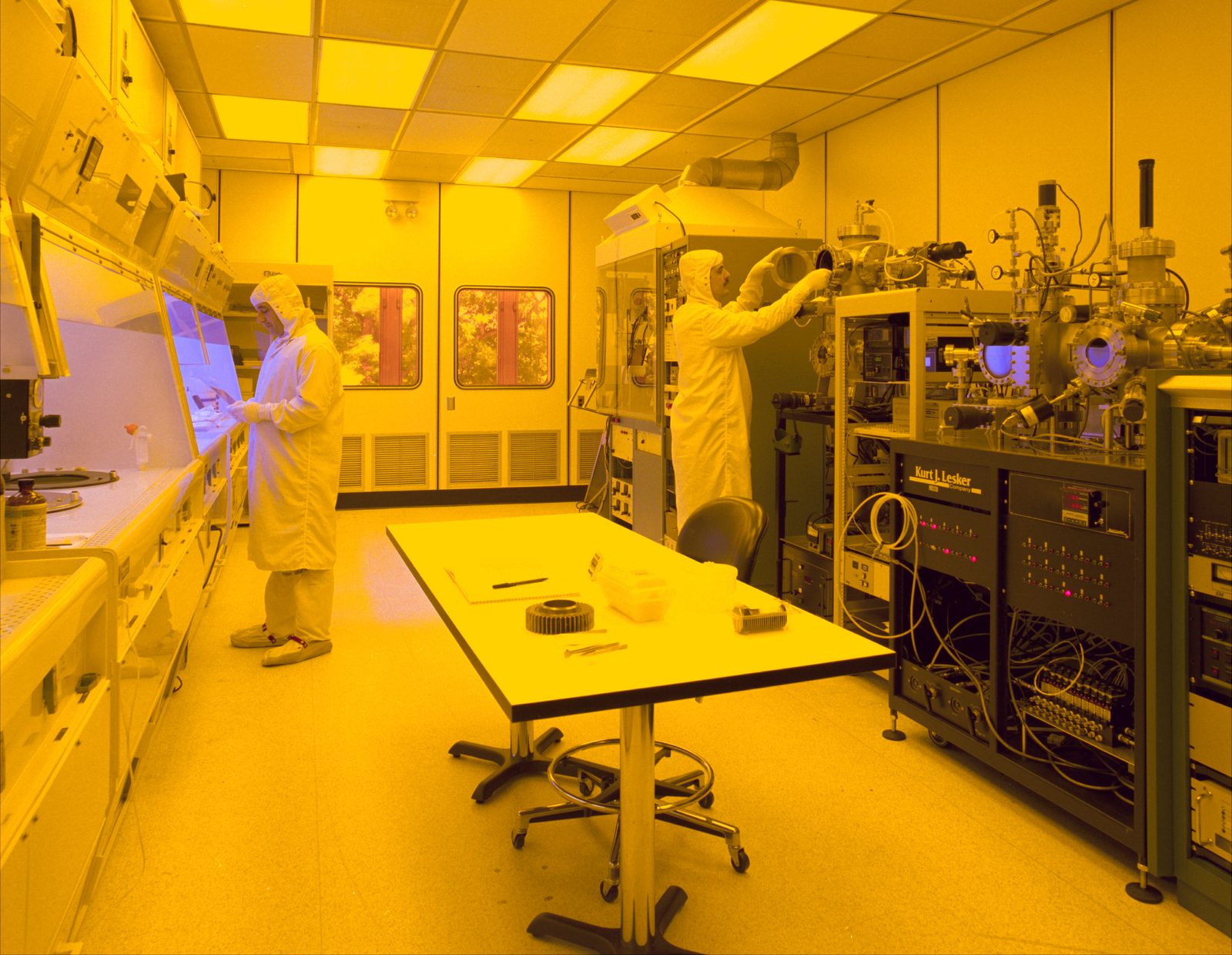
On the infrastructure side, the gathering agreed to provide full government backing for AI data centre construction, covering power supply, land, and licensing approvals. Plans include pre-emptive expansion of electricity infrastructure to meet large-scale demand from semiconductor plants and data centres, and building a multi-source water supply system. A new advanced industrial township integrating production, innovation, and residential facilities is to be developed in the country's southwest as a second semiconductor manufacturing hub.
Han Byeong-do, the Democratic Party's acting leader and floor leader, said the party's Mega Project task force would be elevated to a standing committee, potentially chaired by the party leader or floor leader directly. He said speed was itself a competitive advantage.
Prime Minister Han Seong-sook, attending her first senior consultative meeting since taking office, said the three projects connected semiconductors, AI data centres, and physical AI into a single national strategy for the next thirty years.
The Kookmin Ilbo reported separately that presidential policy chief Kim Yong-beom repeated, via a Facebook post the same day, remarks he had made in May about channelling semiconductor 'excess profits' into future generations, describing such transfers as productive investment rather than welfare spending. That framing has previously drawn market sensitivity, according to the outlet.
According to Seoul newspaper, the main opposition People Power Party confirmed it would maintain a boycott of National Assembly standing committees pending resolution of a dispute over the chairmanship of the legislation committee.