
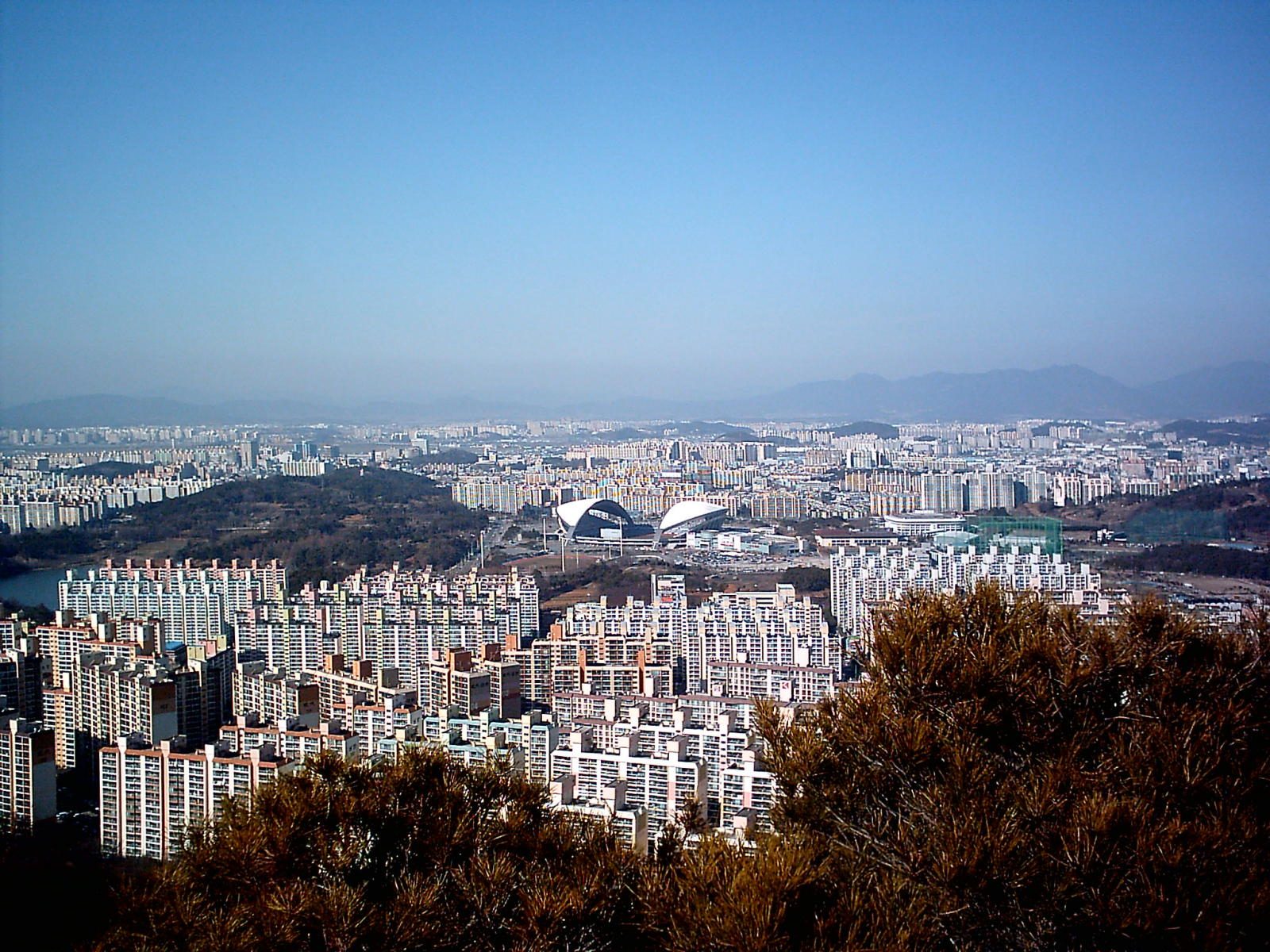
One week after President Lee Jae-myung (South Korea's head of state, inaugurated in 2025) unveiled his government's so-called Three Mega Projects, the Blue House has already picked a home for the most symbolically charged of the three: a semiconductor industrial cluster for the Honam region, the southwestern heartland long seen as underserved by industrial policy.
Kang Hun-sik, the presidential chief of staff, announced on July 6 that the Gwangju military airfield, located in Gwangsan District of the newly merged Jeonnam-Gwangju Special City, will house the Honam semiconductor complex. Companies including Samsung and SK Hynix had indicated the site was their preferred option among the candidates reviewed, according to Kang.
The case for the airfield is largely practical. The site covers roughly 2.5 million pyeong (about 8.3 square kilometres), and because it was built as an airport, the land is already flat, cutting construction time considerably. Most of the land is government-owned, which sidesteps the slow, contested process of buying out private landholders. The site sits close to Gwangju city centre and a KTX high-speed rail station, and has good road, port, and air-freight links.
An additional factor, according to Kookmin Ilbo, was that land prices in areas floated as potential sites had already begun to rise after the mega-project announcement, pushing officials to fix the location quickly before speculation widened further.
The presidential office said it would streamline environmental-impact assessments, pursue land acquisition through negotiated purchase and compulsory acquisition in parallel, and pre-build power and water infrastructure rather than wait for formal approvals. Lee told officials at a joint public-private review meeting that 'only speed matters' and warned that administrative delays in executing investment would be unacceptable.
Min Hyeong-bae, mayor of the Jeonnam-Gwangju Special City (a newly unified administrative entity covering Gwangju and South Jeolla Province), welcomed the decision at a press briefing and pledged that the city would prepare power supply, water, transport links, and workforce housing in step with the central government's pace. The city assembly has already passed a semiconductor investment support ordinance as its first piece of legislation, and a dedicated implementation task force is operating inside city hall.
One complication remains unresolved: the airfield is still in active military use. Min acknowledged that the air base must be relocated before construction can begin but said authorities were exploring arrangements that could allow use of the land before a full transfer was complete. He added that specifics of any military relocation could fall under security restrictions. The Defence Ministry said no concrete relocation plan had been finalised and that it would coordinate closely with the air force.
Jang Dong-hyuk (People Power Party leader, the main conservative opposition) pushed back, noting that Lee had once dismissed the previous government's offshore gas-drilling project as likely to fail, and asking why this project should be immune from similar scrutiny.