South Korea and NATO announced on July 7 that they would open formal negotiations toward a Basic Procurement Agreement, a framework that would set out the legal and administrative terms governing defence and logistics contracts between NATO and partner countries.
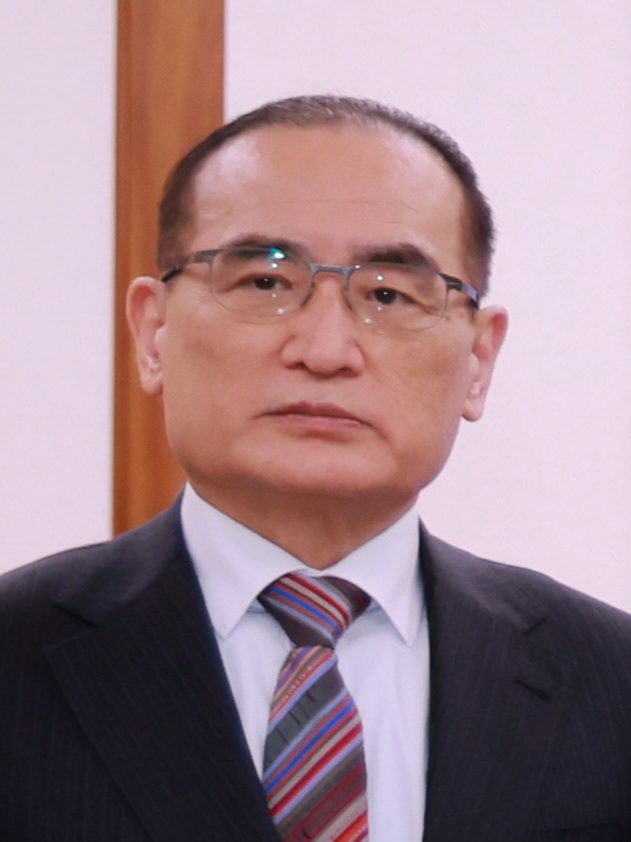
The announcement came on the sidelines of the NATO summit in Ankara, Turkey, where President Lee Jae-myung met NATO Secretary General Mark Rutte. Wi Seong-lak, head of the presidential National Security Office, briefed reporters at the Korean press centre in Ankara, calling the development 'a foothold for entering the world's largest defence market.' He said that once the agreement is in place, Korean firms would have an institutional basis to compete in NATO's joint-procurement market, which the presidential office estimates at roughly 15 trillion won (about 11 billion dollars) a year.
Seoul is also expanding its observer status in NATO's multinational co-development programmes. Korea had already held observer roles in NATO ammunition-supply and space projects; it will now add observer participation in a defence raw-materials programme, according to Wi. He said broader participation would strengthen interoperability between Korean and NATO weapons systems while helping to stabilise Korea's own munitions procurement conditions.
At the NATO Defence Industry Forum held the same day, Lee said that harmonising production standards across countries 'seems likely to become an important issue,' noting that manufacturing norms currently differ from nation to nation. The presidential office said aligning with NATO standardisation efforts is expected to improve Korean firms' market access.
A senior presidential aide said the deepening ties would not draw Korea inside NATO's formal structure: the country remains a partner nation, not a member. The aide added that the arrangement is not expected to significantly affect relations with China or Russia.
Korea is also pursuing participation in NATO's innovation testbed, which evaluates civilian technologies for battlefield use, and in SpaceNet, a network linking space firms from NATO member states. Wi said SpaceNet membership would expand opportunities for Korean space companies to join NATO-led projects and broaden launch options.
No deadline has been set for completing the procurement agreement; the presidential office said the aim is to conclude talks as quickly as possible. On July 8, Lee was scheduled to hold bilateral meetings with Norway, the Netherlands, and Romania, focusing on renewables, semiconductors, and nuclear energy.