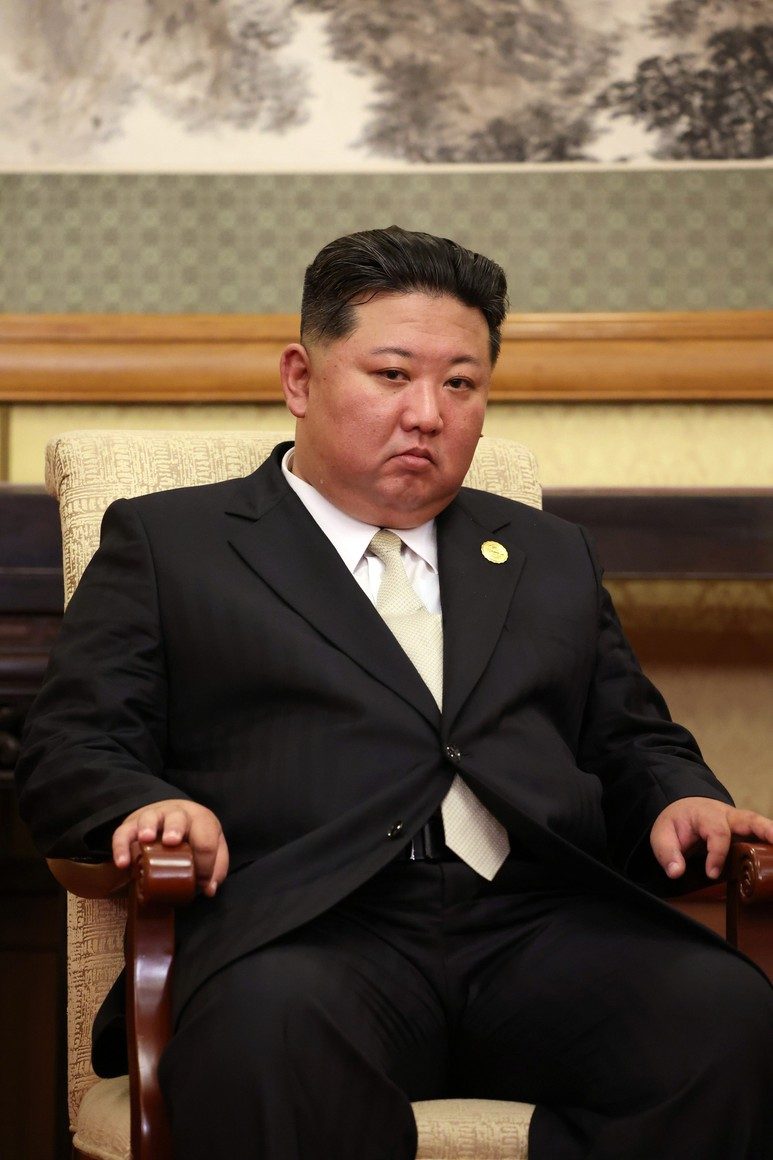
North Korea issued a pointed commentary on July 9 warning that growing defence cooperation between South Korea and Japan amounts to reckless military collusion carried out 'in front of a nuclear-armed state' and will bring about self-destruction, according to the Korean Central News Agency.
The commentary, dated July 8 and attributed to Kang Cheol-su, director of an institution called the Daejok Research Institute, argued that no alliance or military arrangement between Seoul and Tokyo could alter what it called the irreversible strategic balance Pyongyang has established on the Korean Peninsula. Yonhap and Newsis both reported that the Daejok Research Institute is believed to be a renamed version of the Joguk Tongil Research Institute, a think tank formerly attached to the Korean Workers' Party's United Front Department, restructured after Pyongyang adopted a policy of treating the two Koreas as mutually hostile states.
Kang cited specific recent milestones: a South Korea-Japan defence ministers' meeting held in Seoul on June 28, at which Defence Minister An Gyu-baek and Japanese Defence Minister Koizumi Shinjiro reviewed an honour guard together, and an instance in which South Korean air force aircraft received aerial refuelling support from Japan's Self-Defence Forces. He described the trajectory of the relationship as pointing toward a full Acquisition and Cross-Servicing Agreement between the two countries, which he called impossible to overlook.
The commentary characterised South Korea-Japan security cooperation as part of what it called a 'trilateral nuclear coordination framework' serving American hegemonic strategy, citing both governments' public endorsements of trilateral cooperation with Washington and their reported efforts to deploy long-range missiles and acquire nuclear-powered submarines.
Kang also took aim at South Korea's Defence White Paper, issued every two years, after a Defence Ministry spokesman confirmed last month that the document would continue to designate North Korea's regime and military as enemies.
In closing, Kang argued that continually expanding North Korea's nuclear arsenal and exercising its status as a nuclear state is, in Pyongyang's view, the only path to preserving peace and security on the peninsula.